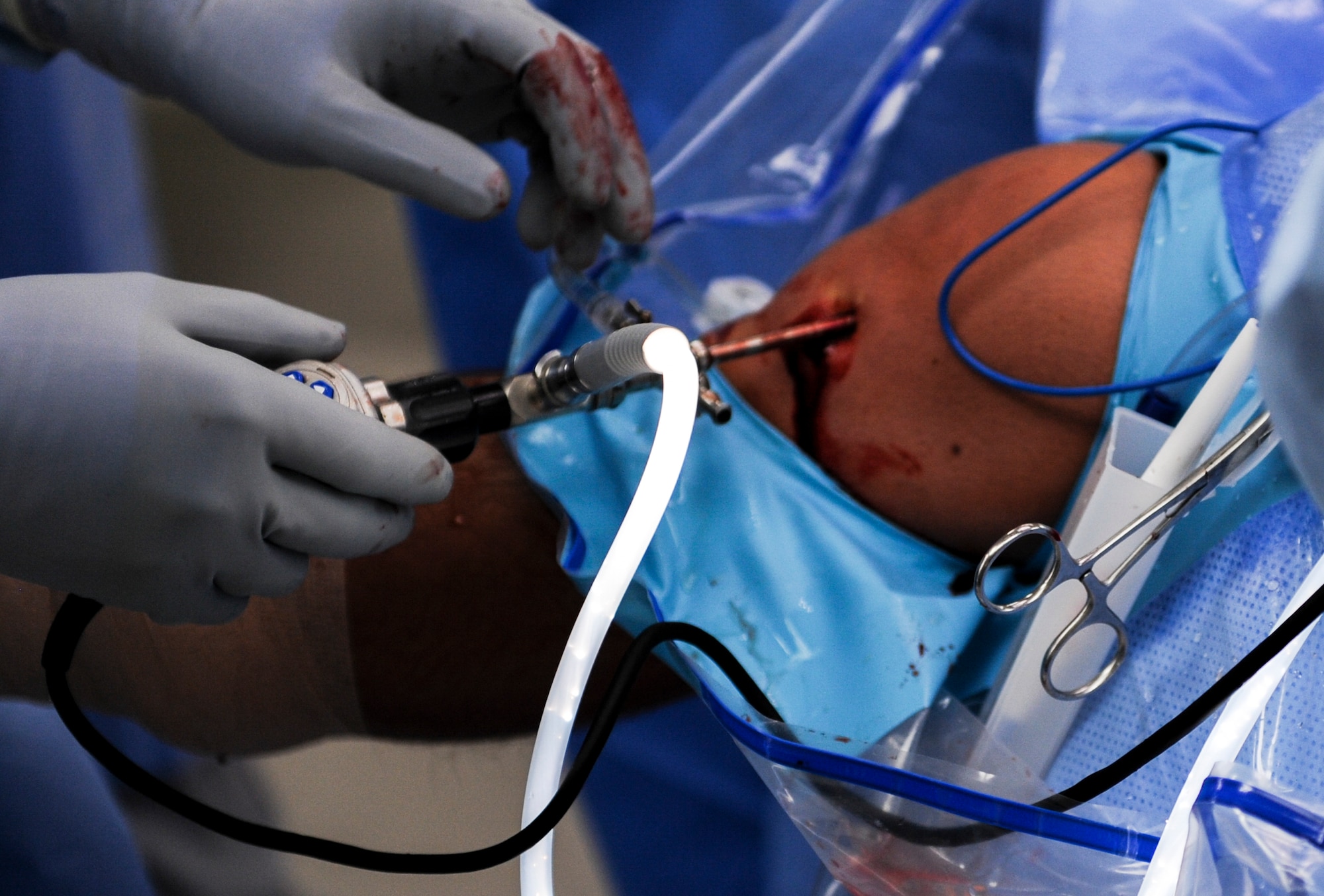
Knee pain can severely affect daily life, limiting mobility and independence. Conditions like osteoarthritis, rheumatoid arthritis, or traumatic injuries often lead to chronic discomfort. Advanced treatment options, including surgical intervention, are essential for restoring function and improving quality of life.
Patients considering surgical solutions benefit from expert guidance in knee replacement surgery. These procedures relieve pain, restore joint alignment, and enhance mobility. With precise techniques and specialized care, patients can regain their active lifestyle confidently.
Understanding Knee Replacement Surgery
Knee replacement surgery involves removing damaged joint surfaces and replacing them with artificial components. The procedure is indicated for severe arthritis, persistent pain, or significant loss of mobility. Surgeons aim to restore joint function while minimizing complications.
Types of Knee Replacement
There are two primary types of knee replacement procedures. Total knee replacement addresses the entire joint, while partial knee replacement targets only the affected compartment. The choice depends on the extent of joint damage and patient-specific factors.
Total Knee Replacement
Total knee replacement replaces all three compartments of the knee joint. It effectively relieves severe pain and improves function for patients with advanced arthritis. Post-operative rehabilitation is crucial for achieving optimal outcomes.
Partial Knee Replacement
Partial knee replacement is less invasive and preserves healthy joint tissue. It provides quicker recovery and maintains more natural knee movement. Candidates are carefully evaluated to ensure suitability and long-term benefits.
Preparing for Surgery
Proper preparation is vital for successful outcomes. Preoperative assessments, including medical history review, imaging studies, and physical evaluations, guide surgical planning. Patients are advised on lifestyle adjustments and prehabilitation exercises.
Preoperative Assessments
Comprehensive assessments ensure the patient’s readiness for surgery. Blood tests, X-rays, and sometimes MRI scans provide detailed information about joint condition. Surgeons also evaluate overall health and comorbidities to minimize risks.
Prehabilitation and Lifestyle Adjustments
Prehabilitation exercises strengthen muscles surrounding the knee, supporting post-operative recovery. Patients are encouraged to maintain a healthy weight and optimize nutrition. These measures enhance healing and improve long-term results.
The Surgical Procedure
Knee replacement surgery is performed under anesthesia using advanced surgical techniques. Surgeons remove damaged cartilage and bone and replace them with precise prosthetic components. Modern approaches ensure alignment, stability, and optimal function.
Minimally Invasive Techniques
Minimally invasive techniques reduce tissue trauma, blood loss, and recovery time. Smaller incisions and precise component placement allow patients to mobilize earlier. These methods often result in less post-operative pain and faster rehabilitation.
Robotic-Assisted Surgery
Robotic-assisted surgery enhances precision in component alignment and ligament balancing. Technology improves accuracy, reduces complications, and increases implant longevity. Patients benefit from smoother joint movement and better long-term outcomes.
Postoperative Care and Rehabilitation
Recovery is critical for achieving successful outcomes. Structured rehabilitation focuses on restoring strength, flexibility, and mobility. Patients are guided through exercises, lifestyle adjustments, and gradual activity progression.
Pain Management
Effective pain management promotes comfort and early mobility. Strategies include medications, cryotherapy, and nerve blocks. Adequate pain control supports participation in rehabilitation programs and faster recovery.
Physical Therapy
Physical therapy begins shortly after surgery to restore function. Exercises focus on range of motion, muscle strengthening, and gait training. Consistent therapy ensures optimal knee function and reduces the risk of complications.
Monitoring and Follow-Up
Regular follow-up visits monitor healing, joint alignment, and functional recovery. Imaging may be used to ensure proper implant placement. Specialists adjust rehabilitation plans to optimize outcomes and maintain joint health.
Benefits of Knee Replacement Surgery
Knee replacement surgery offers numerous advantages for patients with severe joint damage. It reduces pain, restores mobility, and improves quality of life. Successful surgery allows patients to resume daily activities, exercise, and enjoy independence.
Pain Relief
Patients experience significant reduction or elimination of chronic knee pain. Surgical intervention addresses the root cause rather than merely masking symptoms. Pain relief enhances comfort and allows for greater participation in activities.
Improved Mobility
Restored joint function improves walking, climbing stairs, and overall mobility. Strengthening surrounding muscles enhances stability and confidence. Patients regain freedom of movement and independence in daily routines.
Long-Term Function and Quality of Life
Knee replacement surgery supports long-term joint health and functionality. With proper rehabilitation and lifestyle adjustments, patients maintain active, fulfilling lives. Improved mobility contributes to overall physical and mental well-being.
Risks and Considerations
While knee replacement surgery is highly successful, risks must be considered. Potential complications include infection, blood clots, implant loosening, or stiffness. Choosing an experienced surgeon and adhering to rehabilitation guidelines minimizes risks.
Infection Prevention
Sterile surgical techniques and prophylactic antibiotics reduce infection risk. Patients are also educated on wound care and signs of infection. Early detection and treatment ensure favorable outcomes.
Implant Longevity
Implant materials and proper alignment influence longevity. Most modern implants last 15-20 years or longer. Regular monitoring and healthy activity levels help maintain implant function over time.
Managing Expectations
Realistic expectations contribute to satisfaction after surgery. Patients are informed about recovery timelines, potential limitations, and expected improvements. Understanding the process promotes adherence and better long-term outcomes.
Conclusion
Knee replacement surgery is a proven solution for patients suffering from severe knee pain and limited mobility. It offers significant benefits, including pain relief, improved joint function, and enhanced quality of life. Proper preoperative preparation, advanced surgical techniques, and structured rehabilitation are key to achieving optimal results.
Selecting a skilled surgeon and following post-operative care plans ensures successful recovery. With expert guidance and commitment to rehabilitation, patients can regain independence, enjoy active lifestyles, and maintain long-term knee health.
Meta Title: Knee Replacement Surgery in Singapore: Advanced Joint Care
Meta Description: Explore knee replacement surgery in Singapore for pain relief and improved mobility. Learn about procedures, recovery, and rehabilitation for lasting results.